
Disclosure: As an Amazon Associate I earn from qualifying purchases. How this site works
Where to Buy a Carpet Cleaner Machine
Each category below links to current listings on Amazon (opens in a new tab). Use this checklist to compare carpet cleaners before you buy.
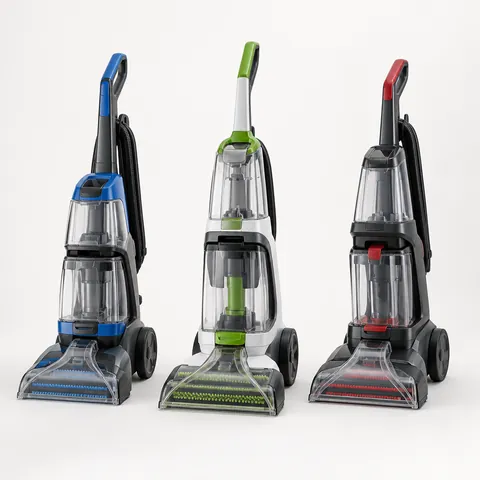 Upright carpet cleaners
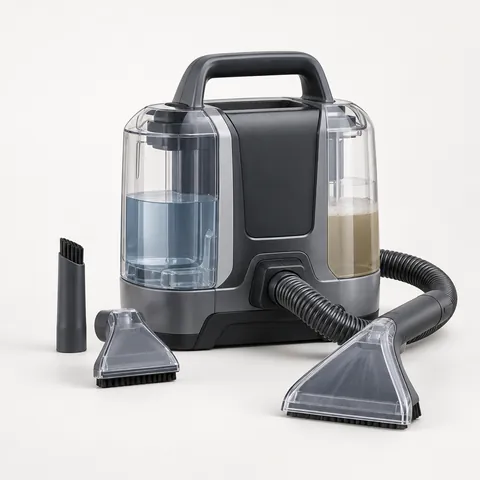 Portable spot cleaners
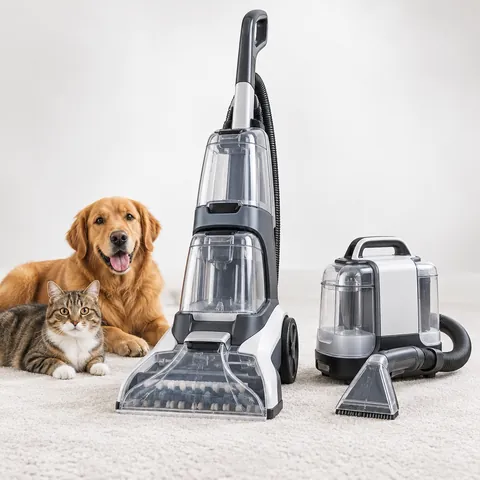 Pet carpet cleaners
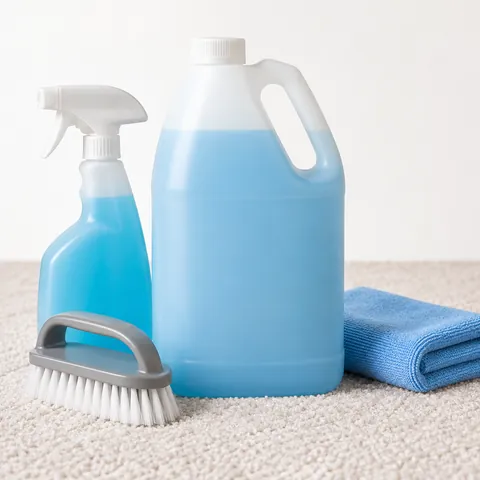 Carpet cleaning solutions
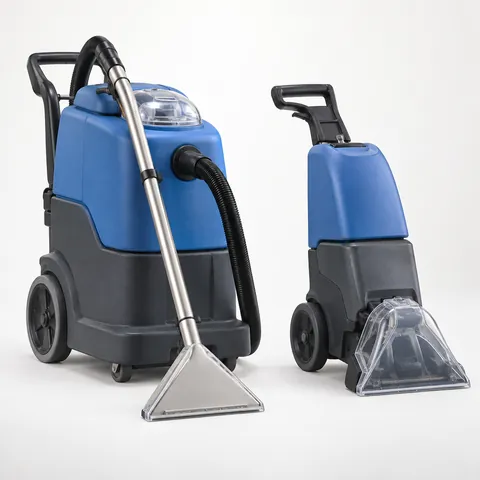 Commercial and rental carpet machines
Before you buy
- Upright or portable?
- Tank sizes and separate tanks.
- Hose and upholstery tools.
- Weight and storage space.
- Required solution and its cost.
- Warranty and spare parts.
Categories referenced on this site
- Upright carpet cleaners
- Portable spot cleaners
- Pet carpet cleaners
- Carpet cleaning solutions
- Commercial and rental carpet machines
Renting instead
Many hardware and grocery stores rent carpet cleaners by the day. Compare the rental plus solution cost with the price of buying if you clean several times a year.
Should you buy a carpet cleaner online or in a store?
Both options can make sense, but they solve different problems. Buying online gives you a wider selection and makes it easier to compare tank capacity, included tools, cord length, machine weight, and user questions in one place. Buying in a store lets you judge size, handle height, wheel feel, and storage footprint before you commit.
If you already know the type you need, online buying is usually the fastest way to narrow the field. For example, you can compare upright carpet cleaner listings for whole-room cleaning or portable spot cleaner options for stairs, cars, and small stains. If you are unsure whether a machine will be too heavy or too bulky, a store visit can prevent a return.
Think about the return process before you buy. A carpet cleaner can be awkward to repack after water has been run through it, and some sellers have rules for used cleaning appliances. Read the return window, whether return shipping is free, and whether the item must be unused or just complete with all parts.
A simple rule of thumb: buy online when selection and comparison matter most; buy locally when you need the machine today, want to inspect it in person, or may need an easier return counter.
| Buying option | Best for | Watch for |
|---|---|---|
| Online marketplace | Broad selection, easy comparison, delivery to your door | Return shipping rules, third-party seller policies, refurbished vs. new labels |
| Big-box or home improvement store | Seeing the size and weight in person, same-day pickup | Limited shelf selection, display models may not include every attachment |
| Manufacturer website | Current model details, accessory compatibility, warranty registration | Fewer competing models to compare side by side |
| Janitorial or cleaning supply dealer | Heavy-duty or commercial-style machines | Larger machines, higher storage demands, may be more than a home needs |
| Rental counter | One-time deep cleaning or trying a larger machine before buying | Daily return deadlines, separate solution purchase, transport space |
Where can you buy different types of carpet cleaner machines?
The best place to shop depends on the machine type. A compact spot cleaner is easy to ship and store, so online listings are convenient. A full-size upright is heavier and takes more closet space, so it can help to see one assembled in a store before buying. Commercial and rental-grade machines are a different category; they are built for frequent use, but they can be louder, heavier, and less convenient for a small home.
- For full rooms and routine home carpet cleaning, start with upright models. Compare brush design, clean-water capacity, dirty-water tank access, hose length, and whether the machine has a rinse-only setting.
- For pet accidents, muddy entryways, stairs, and car upholstery, look at portable spot cleaners and pet-focused models. Pet versions often include rubberized tools, stain-focused attachments, or solution bundles; confirm what is actually included before paying extra.
- For apartments or small homes, measure your storage area first. A machine that barely fits in a closet may be frustrating if the hose, cord, or drying tray has to be stored separately.
- For large homes, frequent cleanups, or small business use, compare rental and commercial-style machines. Check whether the machine can fit in your vehicle and whether you can comfortably lift it when the tanks are empty.
- For solution, buy only formulas that match the machine maker’s instructions. If you want to compare detergents and pretreatments, start with carpet cleaning solution options and check whether the formula is intended for machines, spots, pets, or odor control.
Used machines can be tempting, but inspect them carefully. Ask whether the tanks leak, whether the suction still pulls water from the carpet, and whether all caps, gaskets, hoses, and tools are included. Avoid any machine with a sour odor inside the tank or hose, visible mold, cracked tanks, a damaged power cord, or missing safety labels. Replacement parts can cost time and money, and some older models may no longer have easy-to-find parts.
How should you compare carpet cleaner listings before checkout?
Product pages can be hard to compare because each seller highlights different features. Use the same checklist for every model so you do not overvalue a bonus tool and miss a basic issue such as machine weight or tank design.
- Confirm the machine type. Upright machines are for larger carpeted areas. Portable machines are for spots, stairs, upholstery, and cars. Commercial-style machines are for frequent or heavy use but may be harder to store.
- Check the clean and dirty tank design. Separate tanks are standard on many machines, but the ease of filling, emptying, and rinsing matters just as much as capacity.
- Look at the real carrying weight. The listed weight may be empty. Add the water in the tank when judging whether you can carry it up stairs or lift it into a sink for cleanup.
- Review the hose, tools, and cord. A longer hose helps on stairs and upholstery, while a longer cord reduces outlet changes. Make sure the included tools match the surfaces you plan to clean.
- Read the care instructions before buying. Some machines require rinsing the tank, nozzle, brush area, filter, or hose after each use. If cleanup is annoying, you may use the machine less often.
- Check solution compatibility. Some warranties may require approved solution or warn against bleach, laundry detergent, or homemade mixes. Using the wrong liquid can leave residue or damage seals.
- Compare warranty coverage and parts access. Look for clear warranty length, what is excluded, and whether common parts such as belts, tanks, caps, hoses, brushes, and nozzles are sold separately.
- Scan recent buyer questions for practical issues. Look for answers about storage height, noise, drying time, stair use, replacement parts, and whether the machine works on area rugs or only wall-to-wall carpet.
Be careful with bundles. A bundle can be useful if it includes solution, extra tools, or replacement brush parts you would buy anyway. It is less useful if it adds accessories for surfaces you do not own. Compare the base machine and the bundle line by line rather than assuming the larger package is the better value.
What should you know about delivery, setup, and returns?
Before you click buy, plan for the first hour after the box arrives. Carpet cleaner machines often need minor assembly, such as attaching a handle, hose clip, or tool holder. Keep the packaging until you have filled the tank with clean water, checked for leaks over a sink or hard floor, and confirmed that the brushes and suction work.
If the machine arrives damaged, take photos of the box, the shipping label, the damaged part, and the serial number area before contacting the seller. Do not run a damaged electrical appliance. If a tank, cap, or hose is cracked, ask whether the seller will replace the part or require a full return.
For returns, clean and dry the machine as well as you can. Empty both tanks, rinse loose debris from the dirty-water tank, and let removable parts air-dry before packing. Include all tools, caps, measuring cups, manuals, and accessories. Missing small parts can delay a refund or reduce your options.
Also think about where the machine will live after the first use. A carpet cleaner should be stored dry, with tanks empty and caps loosened if the manual recommends it. Do not store solution in the clean-water tank between uses unless the instructions allow it. If you have limited storage, a smaller portable unit may be easier to own even if it takes longer to clean multiple rooms.
Frequently asked questions
What is the best place to buy a carpet cleaner machine?
The best place depends on your priorities. Shop online for the widest selection and easier spec comparison, or shop in person if you want to judge weight, size, and handle comfort before buying. For commercial-style machines, a janitorial supplier or rental counter may offer more appropriate options than a general retail shelf.
Is it better to buy a carpet cleaner or rent one?
Buy if you expect to clean regularly, have storage space, and want the machine available for spills without a trip to the store. Rent if you only need an occasional deep clean, do not want to maintain a machine, or want to try a larger unit before purchasing. Compare the full rental cost, including solution and transportation, with the cost and convenience of ownership.
Can I buy a used carpet cleaner machine?
Yes, but inspect it carefully because dirty tanks, worn seals, clogged hoses, and weak suction can make a used machine a poor deal. Ask to see it run with clean water if possible, and check that every cap, tank, hose, and attachment is included. Avoid machines with cracked plastic, damaged cords, moldy smells, or missing model labels.
Do I need a pet carpet cleaner if I have pets?
Not always. A standard upright or portable cleaner can work for many homes if it has good suction, a useful hose tool, and the right cleaning solution. Pet-focused models may be worth considering if you deal with frequent accidents, hair, tracked-in dirt, or odor, but compare the actual attachments and tank design rather than relying on the label alone.
What should I check when a carpet cleaner is delivered?
Check the box for damage, confirm that all parts and tools are included, and read the quick-start and cleaning instructions before adding solution. Fill the clean-water tank over a sink or hard floor and look for leaks. Keep the packaging until you know the machine runs, sprays, scrubs, and suctions properly.
Disclosure: As an Amazon Associate I earn from qualifying purchases. This site may earn a commission when you buy through its links, at no extra cost to you. Product details come from public manufacturer information; always check the merchant page for current specifications and prices. We have not hands-on tested the products described here.